Skip to content
EconomicHQ EconomicHQ

Economy, money, investing and small-business finance — explained with sources, data and practical tools.

  • Economy
    • Economy & Inflation
    • Jobs & Wages
    • Economic Data Center
  • Money
    • Banking & Interest Rates
    • Credit & Debt
    • Consumer Money
  • Investing
  • Business
  • Tools
  • Start Here

EconomicHQ topic desk

Banking & Interest Rates

Learn how savings accounts, CDs, APY, APR, deposit insurance, and Federal Reserve decisions affect savers and borrowers.

Start here

Build the foundation before chasing headlines.

  1. Core guideBanking and Interest Rates: Complete Guide
  2. Core guideHow Interest Rates Work
  3. Core guideAPY vs. APR

Questions this desk answers

  • What is the difference between APY and APR?
  • How do Federal Reserve decisions reach consumers?
  • When is a CD different from a savings or money-market account?
  • How does FDIC insurance work?
Tools & Calculators →

Latest guides & explainers

Banking & Interest Rates

Browse plain-English explainers, practical context and supporting guides for this topic.

Percentage symbol representing benchmark bank interest rates
Posted inBanking & Interest Rates

Federal Funds Rate vs. Prime Rate: How the Two Interest Rates Connect

The federal funds rate is an overnight interbank rate influenced by Federal Reserve policy; the prime rate is a bank lending benchmark. Learn how they differ and why they often move together.
Posted by Casey Lester October 27, 2026
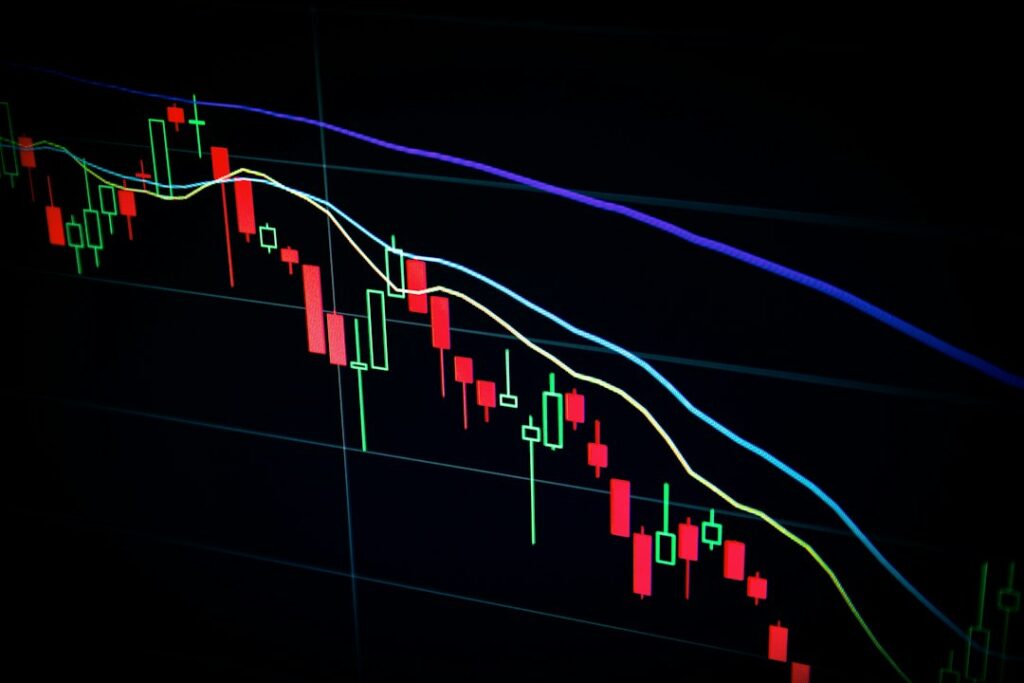
Financial market chart representing bond yields across maturities
Posted inBanking & Interest Rates

Yield Curve Explained: What Treasury Yields Across Maturities Can Signal

The Treasury yield curve compares yields across maturities. Learn what normal, flat and inverted curves mean—and why the curve is a signal, not a forecast guarantee.
Posted by Casey Lester October 24, 2026
Posted inBanking & Interest Rates

Bank vs. Credit Union

Banks and credit unions offer many similar financial products, but they differ in ownership, membership, governance, insurance systems, rates, fees, and service models.
Posted by Casey Lester October 19, 2026
Posted inBanking & Interest Rates

FDIC Deposit Insurance Explained

FDIC insurance protects qualifying deposits at insured banks up to applicable limits. Learn the $250,000 standard amount, ownership categories, what is covered, and what is not.
Posted by Casey Lester October 16, 2026
Posted inBanking & Interest Rates

CD Laddering Explained

A CD ladder divides money among certificates of deposit with different maturities. Learn how the strategy works, what it solves, and the liquidity and reinvestment risks to understand.
Posted by Casey Lester October 13, 2026
Hands using a smartphone banking app
Posted inBanking & Interest Rates

Online Bank vs. Traditional Bank: How to Compare Access, Fees, Rates and Safety

Online banks and traditional banks can offer many of the same deposit products, but access, service, fees and branch availability differ. Here’s how to compare them safely.
Posted by Casey Lester October 9, 2026
Posted inBanking & Interest Rates

How Federal Reserve Rate Changes Affect Consumers

Fed rate changes can influence credit cards, savings, auto loans, mortgages, and business financing, but consumer rates do not all move one-for-one with the federal funds rate.
Posted by Casey Lester October 7, 2026
Posted inBanking & Interest Rates

CDs Explained

Certificates of deposit exchange some liquidity for a fixed term. Learn how CD rates, maturities, early-withdrawal penalties, brokered CDs, and FDIC insurance work.
Posted by Casey Lester October 2, 2026
Posted inBanking & Interest Rates

Savings Account vs. Money Market Account

Savings accounts and money market deposit accounts are both deposit products, but rates, minimums, access, fees, and transaction rules can differ.
Posted by Casey Lester September 28, 2026
Posted inBanking & Interest Rates

APY vs. APR: What’s the Difference?

APY generally helps compare what deposits can earn, while APR helps compare borrowing costs. Here’s how each percentage works and what to check before deciding.
Posted by Casey Lester September 22, 2026

Posts pagination

1 2 Next

Search EconomicHQ

Economic Data Center

Go to the source behind the number.

Find the official data behind inflation, jobs, rates, growth, banking and credit.

Explore the Data Center →

Explore the desks

  • Economy & Inflation
  • Jobs & Wages
  • Banking & Rates
  • Credit & Debt
  • Investing & Markets
  • Consumer Money
  • Business & Entrepreneurship

Our standard

Sources first. Dates visible. Methodology explained.

See Sources & Methodology →
EconomicHQ

Plain-English financial and economic education built around useful decisions, visible sources and clear methodology.

Explore tools →

Explore

  • Economy & Inflation
  • Jobs & Wages
  • Banking & Rates
  • Credit & Debt
  • Economic Data Center

Learn

  • Investing & Markets
  • Consumer Money
  • Business & Entrepreneurship
  • Start Here
  • Resources

Trust

  • About EconomicHQ
  • Editorial Policy
  • Editorial Team & Review
  • Sources & Methodology
  • Corrections
  • Disclosures
  • Privacy
  • Terms

© 2026 EconomicHQ. Educational information for better-informed money and business decisions.

Scroll to Top

Terms and Conditions - Privacy Policy