
Hey, just so you know, some of the links on this site are affiliate links. That means I may earn a small commission if you buy something through them. It doesn’t cost you anything extra, and it helps me keep this site running. Thanks for your support!
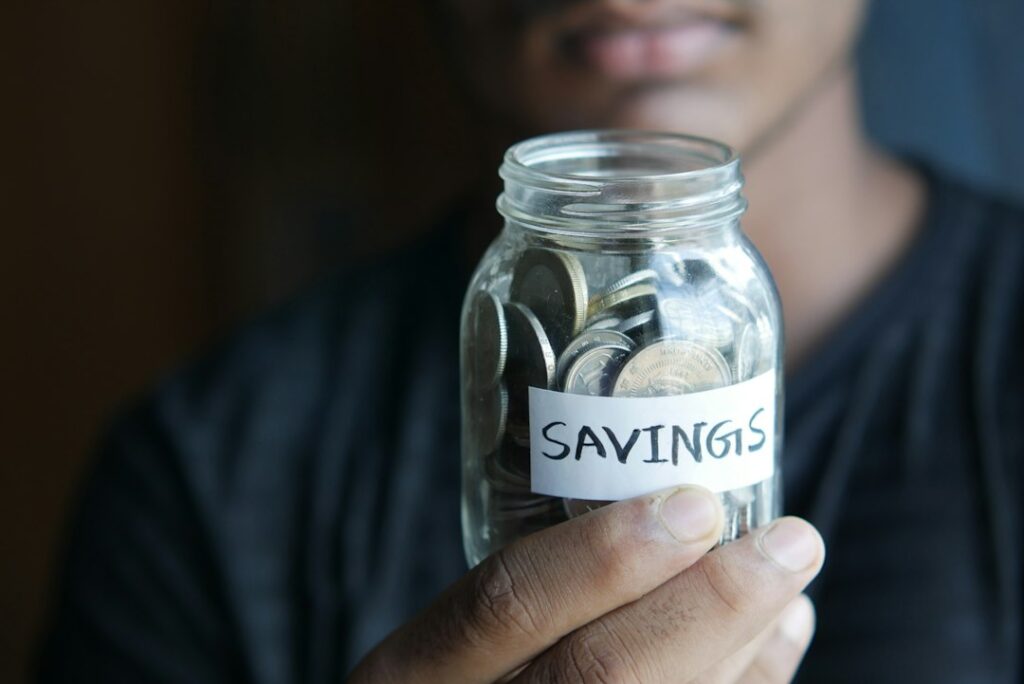
Financial emergency planning means preparing before an income loss, medical bill, home repair, vehicle problem or disaster forces you to make decisions under pressure. The plan should combine an emergency cash reserve with clear bill priorities, essential documents, account access and a recovery checklist.
Start with an emergency fund
The CFPB describes an emergency fund as a cash reserve set aside for unplanned expenses or financial emergencies. Common examples include vehicle repairs, home repairs, medical bills and loss of income.
There is no single correct dollar amount for every household. A useful target depends on income stability, insurance, household size, essential monthly expenses and the kinds of financial shocks you are most likely to face.
Build the plan around essential expenses
Calculate the minimum amount needed to keep the household functioning for one month. Focus on obligations such as housing, utilities, food, transportation, insurance, medicine and required debt payments.
| Priority | Examples | Emergency-plan action |
|---|---|---|
| Protect housing and basic services | Rent/mortgage, utilities | Know amounts, due dates and assistance contacts |
| Protect health and ability to work | Food, medicine, transportation | Keep realistic minimum budget |
| Protect insurance and critical obligations | Auto/home/health coverage, minimum debt payments | Know grace periods and contact process |
| Pause optional spending | Subscriptions, discretionary purchases | Pre-identify what can be cut quickly |
Create an emergency document kit
Financial recovery can be slowed when account numbers, insurance policies or identity documents are hard to find. CFPB disaster-preparedness guidance recommends organizing important financial and personal records before an emergency occurs.
Keep secure copies of items such as:
- government identification and key household records;
- bank, credit and loan contact information;
- insurance policies and claim numbers;
- housing documents;
- employment and income records;
- health and prescription information where appropriate;
- emergency contacts.
Store sensitive information securely. Do not leave passwords or identity records in an unprotected shared document.
Plan for account access problems
Emergencies can disrupt phones, email, power or internet access. Know how to reach your bank, insurer and creditors through more than one channel. Consider how a trusted household member would locate necessary information if you were unavailable.
Multi-factor authentication is important for security, but it also means recovery methods should be current. Verify backup email addresses, phone numbers and account-recovery settings periodically.
Know which bills to contact first
If income suddenly falls, avoid assuming that silence is the best strategy. Contact lenders, utilities, insurers or service providers early when you cannot make a payment. Available hardship options vary by company and program, and they should be verified directly.
Do not promise yourself that a new credit card or loan will automatically solve the emergency. New borrowing adds another future payment.
Separate emergency savings from planned spending
A vacation, holiday purchase or predictable annual insurance premium is not an emergency just because the bill is large. Those expenses are better handled with sinking funds or planned savings.
Keeping the categories separate protects the emergency reserve for true disruptions.
Use automation carefully
Automatic transfers can help build an emergency fund, but the transfer amount should not create overdrafts or force essential bills onto high-cost credit. Start with an amount that can be sustained, then increase it when cash flow improves.
EconomicHQ’s Emergency Savings guide goes deeper on setting a reserve target.
Run a simple annual emergency drill
Once or twice a year, ask:
- If income stopped tomorrow, what are the first five bills due?
- How many weeks or months could current liquid savings cover?
- Are insurance policies and beneficiaries current?
- Can both household decision-makers access essential accounts?
- Are emergency contacts and documents up to date?
- Which expenses can be paused immediately?
A short drill turns a vague financial goal into an operating plan.
Continue learning
Use How to Build a Budget That Actually Works, Debt Snowball vs. Debt Avalanche, and the EconomicHQ Tools & Calculators.
Sources & methodology
- CFPB — An essential guide to building an emergency fund
- CFPB — Get prepared before a disaster or emergency strikes
This article provides general financial education. Emergency, legal, insurance and creditor options depend on individual circumstances and current program terms.
EconomicHQ standard
Sources, dates, and methodology matter.
EconomicHQ prioritizes primary sources for consequential financial and economic claims and identifies reporting periods for changing information. This article is educational and does not provide individualized financial, investment, tax, legal, or credit advice.